- Zahnärzte Dres. Zimny & Kollegen
-
Uhlandstr. 53
10719 Berlin-Wilmersdorf - [email protected]
- 030 889 20 20 0
Digital Smile Design (DSD) ist eine revolutionäre Methode in der Zahnmedizin, die es ermöglicht, Ihr Lächeln auf eine Weise zu transformieren, die traditionelle Ansätze weit hinter sich lässt.
Stellen Sie sich vor, Sie könnten Ihr zukünftiges Lächeln sehen, bevor die Behandlung überhaupt beginnt.
Das ist mit DSD möglich.
Mit DSD wird Ihr Lächeln nicht nur ästhetisch ansprechender, sondern es spiegelt auch Ihre Persönlichkeit wider. Durch fortschrittliche Bildgebungs- und Planungstechnologien entwerfen Zahnärzte gemeinsam mit Ihnen ein Lächeln, das nicht nur zu Ihren Gesichtszügen passt, sondern auch Ihre einzigartige Persönlichkeit unterstreicht.
Die Angst vor zahnärztlichen Eingriffen wird durch DSD erheblich gemindert. Sie sind von Anfang an in den Gestaltungsprozess Ihres Lächelns eingebunden, was Ihnen ein Gefühl der Kontrolle und Sicherheit gibt. Die präzise Planung und Visualisierung reduzieren zudem die Notwendigkeit für umfangreiche zahnärztliche Eingriffe. Dies bedeutet weniger Zeit im Behandlungsstuhl und oft auch weniger Unbehagen.
Ein weiterer bemerkenswerter Vorteil von DSD ist die Zeiteffizienz. Da der Behandlungsplan von Anfang an klar definiert ist, gibt es weniger unerwartete Überraschungen und Verzögerungen. Ihre Behandlung verläuft schneller und reibungsloser, sodass Sie weniger Zeit mit zahnärztlichen Terminen verbringen müssen und mehr Zeit haben, Ihr neues Lächeln zu genießen.
Mit DSD können Sie Ihre Behandlung aktiv mitgestalten. Sie haben die Möglichkeit, das Endergebnis bereits vor Beginn der eigentlichen Behandlung zu sehen. Ihr Zahnarzt erstellt ein digitales 3D-Modell Ihres zukünftigen Lächelns, sodass Sie die Möglichkeit haben, Änderungen vorzunehmen und sicherzustellen, dass das Ergebnis Ihren Erwartungen entspricht. Das bedeutet, dass Sie von Anfang an in den Prozess eingebunden sind und die Gewissheit haben, dass Ihr Lächeln Ihren Vorstellungen entsprechen wird.
Zudem bietet DSD eine höhere Präzision bei der Behandlung. Die digitale Technologie ermöglicht eine genauere Anpassung von Zahnfarbe, -form und -stellung. Das Ergebnis ist ein natürlicheres, harmonischeres Lächeln, das Ihre Gesichtszüge aufwertet.
Wichtig ist auch der psychologische Aspekt. Ein schönes Lächeln steigert das Selbstbewusstsein und verbessert die sozialen Interaktionen. DSD gibt Ihnen die Freiheit, ohne Zögern zu lächeln, was positive Auswirkungen auf Ihre sozialen Beziehungen und beruflichen Erfolge haben kann, denn ein schönes Lächeln ist oft ein Schlüssel zu mehr Selbstvertrauen und einem besseren sozialen Leben. Sie werden sich in jeder Situation sicherer fühlen, sei es bei geschäftlichen Meetings, gesellschaftlichen Veranstaltungen oder einfach im Alltag. Ein strahlendes Lächeln kann Ihre Ausstrahlung und Ihr Charisma verbessern und positive Reaktionen von anderen Menschen hervorrufen.
Die Langzeitwirkungen von DSD sind ebenfalls signifikant. Durch die präzise Anpassung und die hochwertigen Materialien, die bei der Behandlung verwendet werden, genießen Sie ein langlebiges Ergebnis. Ihr Lächeln bleibt nicht nur für Jahre schön, sondern trägt auch zur allgemeinen Gesundheit Ihrer Zähne und Ihres Mundes bei.
Abschließend ist DSD eine Investition in Ihr Wohlbefinden. Es geht nicht nur um die Ästhetik; es geht darum, wie Sie sich fühlen. Mit einem Lächeln, das genau zu Ihnen passt, gehen Sie selbstbewusster durchs Leben. DSD ist nicht nur eine zahnärztliche Behandlung; es ist eine Reise zu einem glücklicheren, selbstsicheren Ich.
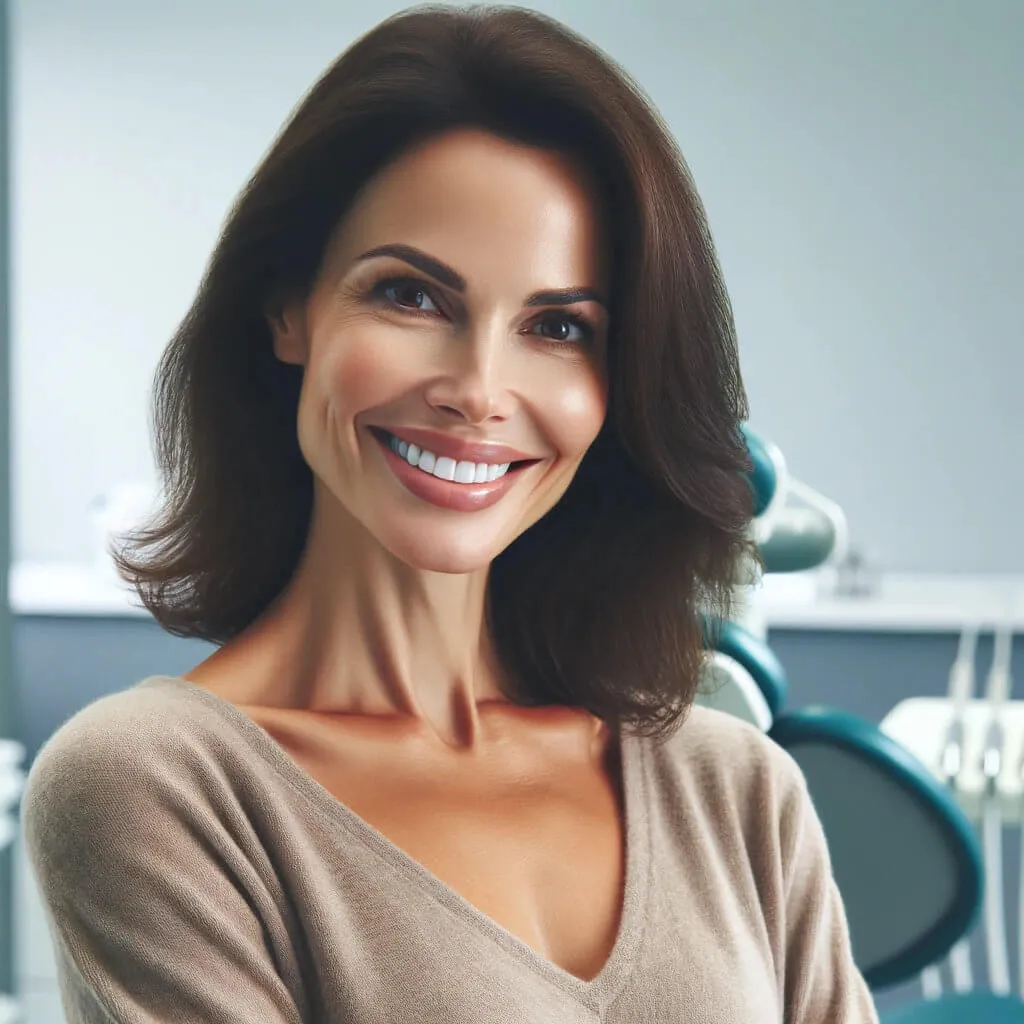
Digital Smile Design (DSD) bietet Patienten zahlreiche emotionale Vorteile. Der wichtigste ist das gesteigerte Selbstvertrauen. Ein Lächeln, das ästhetisch ansprechend und harmonisch ist, kann das Selbstwertgefühl erheblich verbessern. Patienten fühlen sich oft sicherer in sozialen Interaktionen und sind eher bereit, in der Öffentlichkeit zu lächeln, was positive Auswirkungen auf ihre persönlichen und beruflichen Beziehungen haben kann.
Ein weiterer emotionaler Vorteil ist die Verringerung von Angst und Stress im Zusammenhang mit Zahnproblemen. Wissen um die verbesserte Zahnästhetik kann Ängste vor Kritik oder negativer Wahrnehmung durch andere reduzieren. Dies führt zu einem allgemeinen Wohlbefinden und einer positiveren Lebenseinstellung.
DSD-Behandlungen können auch das Gefühl der Zufriedenheit und des Stolzes verstärken. Die Realisierung eines idealen Lächelns, das individuell und einzigartig gestaltet ist, kann ein Gefühl der Erfüllung vermitteln. Patienten empfinden oft eine tiefe Zufriedenheit mit dem Behandlungsergebnis, da es nicht nur ihre physische Erscheinung, sondern auch ihr emotionales Wohlbefinden verbessert.
Insgesamt verbessert DSD die Lebensqualität der Patienten, indem es ihnen ermöglicht, ihr Lächeln ohne Selbstbewusstsein oder Unsicherheit zu zeigen. Dieser positive Einfluss auf die emotionale Gesundheit ist ein wesentlicher Aspekt der Behandlung, der oft über die rein ästhetischen Verbesserungen hinausgeht.
Digital Smile Design Center Erklärung zur Barrierefreiheit
We firmly believe that the internet should be available and accessible to anyone, and are committed to providing a website that is accessible to the widest possible audience, regardless of circumstance and ability.
To fulfill this, we aim to adhere as strictly as possible to the World Wide Web Consortium’s (W3C) Web Content Accessibility Guidelines 2.1 (WCAG 2.1) at the AA level. These guidelines explain how to make web content accessible to people with a wide array of disabilities. Complying with those guidelines helps us ensure that the website is accessible to all people: blind people, people with motor impairments, visual impairment, cognitive disabilities, and more.
This website utilizes various technologies that are meant to make it as accessible as possible at all times. We utilize an accessibility interface that allows persons with specific disabilities to adjust the website’s UI (user interface) and design it to their personal needs.
Additionally, the website utilizes an AI-based application that runs in the background and optimizes its accessibility level constantly. This application remediates the website’s HTML, adapts Its functionality and behavior for screen-readers used by the blind users, and for keyboard functions used by individuals with motor impairments.
If you’ve found a malfunction or have ideas for improvement, we’ll be happy to hear from you. You can reach out to the website’s operators by using the following email
Our website implements the ARIA attributes (Accessible Rich Internet Applications) technique, alongside various different behavioral changes, to ensure blind users visiting with screen-readers are able to read, comprehend, and enjoy the website’s functions. As soon as a user with a screen-reader enters your site, they immediately receive a prompt to enter the Screen-Reader Profile so they can browse and operate your site effectively. Here’s how our website covers some of the most important screen-reader requirements, alongside console screenshots of code examples:
Screen-reader optimization: we run a background process that learns the website’s components from top to bottom, to ensure ongoing compliance even when updating the website. In this process, we provide screen-readers with meaningful data using the ARIA set of attributes. For example, we provide accurate form labels; descriptions for actionable icons (social media icons, search icons, cart icons, etc.); validation guidance for form inputs; element roles such as buttons, menus, modal dialogues (popups), and others. Additionally, the background process scans all the website’s images and provides an accurate and meaningful image-object-recognition-based description as an ALT (alternate text) tag for images that are not described. It will also extract texts that are embedded within the image, using an OCR (optical character recognition) technology. To turn on screen-reader adjustments at any time, users need only to press the Alt+1 keyboard combination. Screen-reader users also get automatic announcements to turn the Screen-reader mode on as soon as they enter the website.
These adjustments are compatible with all popular screen readers, including JAWS and NVDA.
Keyboard navigation optimization: The background process also adjusts the website’s HTML, and adds various behaviors using JavaScript code to make the website operable by the keyboard. This includes the ability to navigate the website using the Tab and Shift+Tab keys, operate dropdowns with the arrow keys, close them with Esc, trigger buttons and links using the Enter key, navigate between radio and checkbox elements using the arrow keys, and fill them in with the Spacebar or Enter key.Additionally, keyboard users will find quick-navigation and content-skip menus, available at any time by clicking Alt+1, or as the first elements of the site while navigating with the keyboard. The background process also handles triggered popups by moving the keyboard focus towards them as soon as they appear, and not allow the focus drift outside it.
Users can also use shortcuts such as “M” (menus), “H” (headings), “F” (forms), “B” (buttons), and “G” (graphics) to jump to specific elements.
We aim to support the widest array of browsers and assistive technologies as possible, so our users can choose the best fitting tools for them, with as few limitations as possible. Therefore, we have worked very hard to be able to support all major systems that comprise over 95% of the user market share including Google Chrome, Mozilla Firefox, Apple Safari, Opera and Microsoft Edge, JAWS and NVDA (screen readers).
Despite our very best efforts to allow anybody to adjust the website to their needs. There may still be pages or sections that are not fully accessible, are in the process of becoming accessible, or are lacking an adequate technological solution to make them accessible. Still, we are continually improving our accessibility, adding, updating and improving its options and features, and developing and adopting new technologies. All this is meant to reach the optimal level of accessibility, following technological advancements. For any assistance, please reach out to